Brief Introduction
For every municipal parking enforcement officer and parking lot inspection personnel, the traditional enforcement process - manually recording license plates, returning to the office to manually input into the system, dealing with disputes caused by illegible handwriting or incomplete information - is not only inefficient but also impacts the fairness and authority of enforcement. In today's pursuit of smart cities and efficient public services, technological upgrades have become inevitable. The core solution is a mobile handheld computer device specifically designed for harsh outdoor environments. It is not just a "computer," but an all-in-one enforcement terminal integrating automatic license plate recognition, wireless communication, and real-time data synchronization. This article will explore in depth how such devices become "force multipliers" for parking enforcement personnel, providing a comprehensive decision-making guide from key functions and selection points to mainstream solutions.
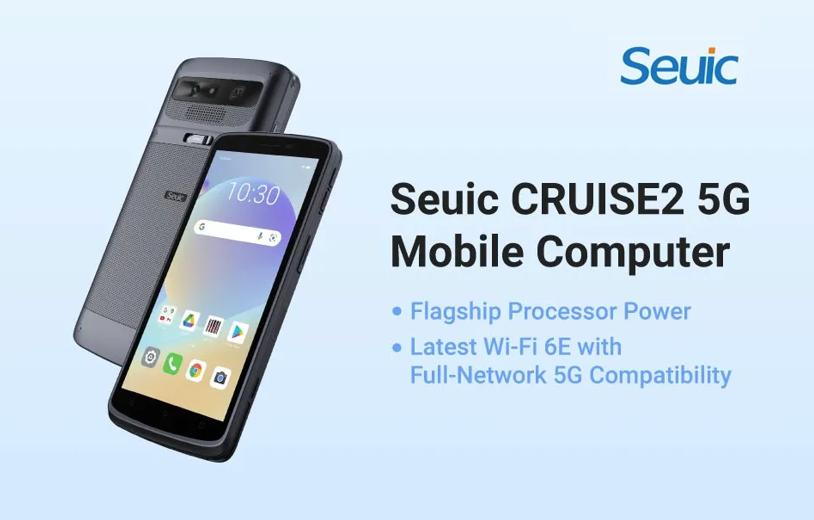
1. What is a Specialized Mobile Handheld Computer for Parking Enforcement?
A handheld computer dedicated to parking enforcement is essentially a ruggedized, industrial-grade tablet or data terminal. It surpasses the fragility of consumer-grade electronics by integrating hardware and software optimized for enforcement scenarios, aiming to achieve on-site, real-time, paperless ticketing and vehicle management.
Its core value lies in integrating discrete work segments into a seamless process:
- Discovering violating vehicles
- Automatic or assisted license plate recognition by the device
- Retrieving vehicle information and issuing electronic tickets
- Uploading data to the central system in real-time
2. How Core Functions Empower Enforcement Officers
An excellent device should possess the following core functions to directly address on-site pain points:
2.1 Integrated License Plate Recognition Camera: From "Manual Entry" to "Second-level Recognition"
- Function Description: The device has a built-in or externally connected high-definition dedicated camera, coupled with powerful Optical Character Recognition software, capable of instantly capturing and recognizing license plate numbers. This is the most critical step for efficiency improvement.
- Problems Solved: Completely eliminates manual entry errors, illegible handwriting, and difficulties in recognition during rain or snow. Supports license plate formats from various countries/regions, maintaining high recognition rates even with tilted vehicles or poor lighting conditions.
2.2 Ruggedized Industrial-grade Design: Fearless of Any Outdoor Challenge
- Function Description: Such devices typically comply with MIL-STD-810G military standards for shock and drop resistance, and have an IP65/IP67 or higher rating for dust and water resistance. The screen is visible in strong light and supports operation with gloves or wet hands.
- Problems Solved: Adapts to harsh weather conditions like extreme cold, heat, rain, and dust; withstands accidental drops from patrol vehicles; ensures stable operation year-round, reducing maintenance costs and enforcement interruption risks.
2.3 Real-time Wireless Data Transmission: Ensuring Information Synchronization and Enforcement Coherence
- Function Description: Via 4G/5G or Wi-Fi networks, the device can upload ticket data (including time, location, license plate, photo evidence) to the backend parking management system database the moment a ticket is issued.
Problems Solved:
- Prevents duplicate enforcement: The system can immediately flag if a vehicle already has an unpaid ticket, avoiding multiple tickets for the same violation.
- Speeds up processing: The finance department can start the processing procedure immediately, significantly shortening the payment cycle and improving cash flow.
- Enables dynamic task management: The command center can assign tasks in real-time and monitor officers' work areas and status.
2.4 Integrated Ticketing Management Software
- Function Description: Comes pre-installed or can install professional enforcement applications with interfaces optimized for outdoor mobile operation. Supports quick violation code selection, automatic fine calculation, adding photo evidence, generating electronic signatures, and can connect via Bluetooth to portable printers for on-site ticket printing.
- Problems Solved: Simplifies operation steps, reduces training time, ensures standardized ticket format and complete, legal information, eliminating ticket invalidation due to missing information.
3. How to Choose the Best Device? Key Considerations
Faced with numerous market options, purchasers should comprehensively consider the following factors to find the best handheld computer for parking enforcement:
- LPR Performance & Camera Configuration: Inquire about recognition rate (>98%), recognition speed (milliseconds), supported license plate types, and whether the camera is built-in or detachable/upgradable.
- Battery Life & Power Solution: Enforcement officers are typically in the field all day. The device should support 8-10 hours or more of continuous operation. Replaceable batteries or support for high-capacity battery extensions are significant advantages.
- System Integration Capability: Can the device and its software seamlessly integrate with your city's existing parking management system, vehicle database, and payment gateway? This is the technical foundation for maximizing value.
- Total Cost of Ownership: Beyond the device purchase price, consider software licensing fees, maintenance services, accessories (batteries, printers, vehicle mounts), and carrier data plan costs.
- Vendor Professional Services: Does the vendor understand the parking enforcement business? Can they provide customized development, on-site training, rapid technical support, and a clear hardware replacement path?
4. Overview of Mainstream Solutions and Brands
The main players in the market can generally be divided into two categories:
- Professional Hardware Brands (providing rugged terminals): Such as SEUIC, which provides excellent performance and durable basic hardware platforms, often requiring integration with third-party enforcement software.
- Vertical Solution Providers: Such as T2 Systems, which provide integrated parking management solutions from backend cloud platforms to front-end handheld device apps. Their handheld devices are often deeply customized based on the aforementioned hardware brands with pre-installed software, offering an out-of-the-box, unified experience.
5. Successful Deployment Implementation Guide
Purchasing equipment is only the first step; successful deployment releases the value:
- Pilot Operation: Select a small team of key officers for a pilot program, collect practical feedback, and optimize processes before full-scale rollout.
- Comprehensive Training: Ensure enforcement officers not only know how to use the device but also understand the significance of the new processes and how to handle system exceptions (e.g., recognition errors).
- Clear Maintenance Responsibilities: Establish clear procedures for device custody, charging, and reporting for repair.
- Data and Performance Evaluation: After deployment, monitor key metrics such as the number of tickets processed per officer per day, ticket dispute rate, and fine payment cycle, using data to demonstrate return on investment.
Investing in professional mobile handheld computer devices is far more than just "giving employees a high-end toy." It is a strategic investment that directly translates into:
- Higher operational efficiency (reduced paperwork, faster processing speed).
- Significantly improved accuracy and fairness (reduced human error, solid evidence).
- Faster revenue cycle (real-time data upload).
- Improved public interaction (professional, transparent processes).
- A foundation for future smart city data applications (accumulating real-time, accurate parking data).
For parking enforcement captains, municipal traffic management department heads, and parking lot operation managers, now is the optimal time to evaluate and upgrade existing enforcement tools and embrace this productivity revolution.
- Demystifying Manual Traceability Pains: How CRUISE2 5G Enables Barcode-Based Bidirectional Traceability2026-04-03
- Demystifying Slow Backroom Transfers: How UTouch 2-S Enables Second-Level Inventory Navigation2026-04-03
- Demystifying Quality Control Bottlenecks: How RFID Moves Towards Proactive Prevention2026-04-02
- How Handheld Computers Achieve End-to-End Traceability2026-04-02
- Demystifying Workstation Information Bottlenecks: How CRUISE2 5G Enables Paperless, Real-Time Operations2026-04-01